
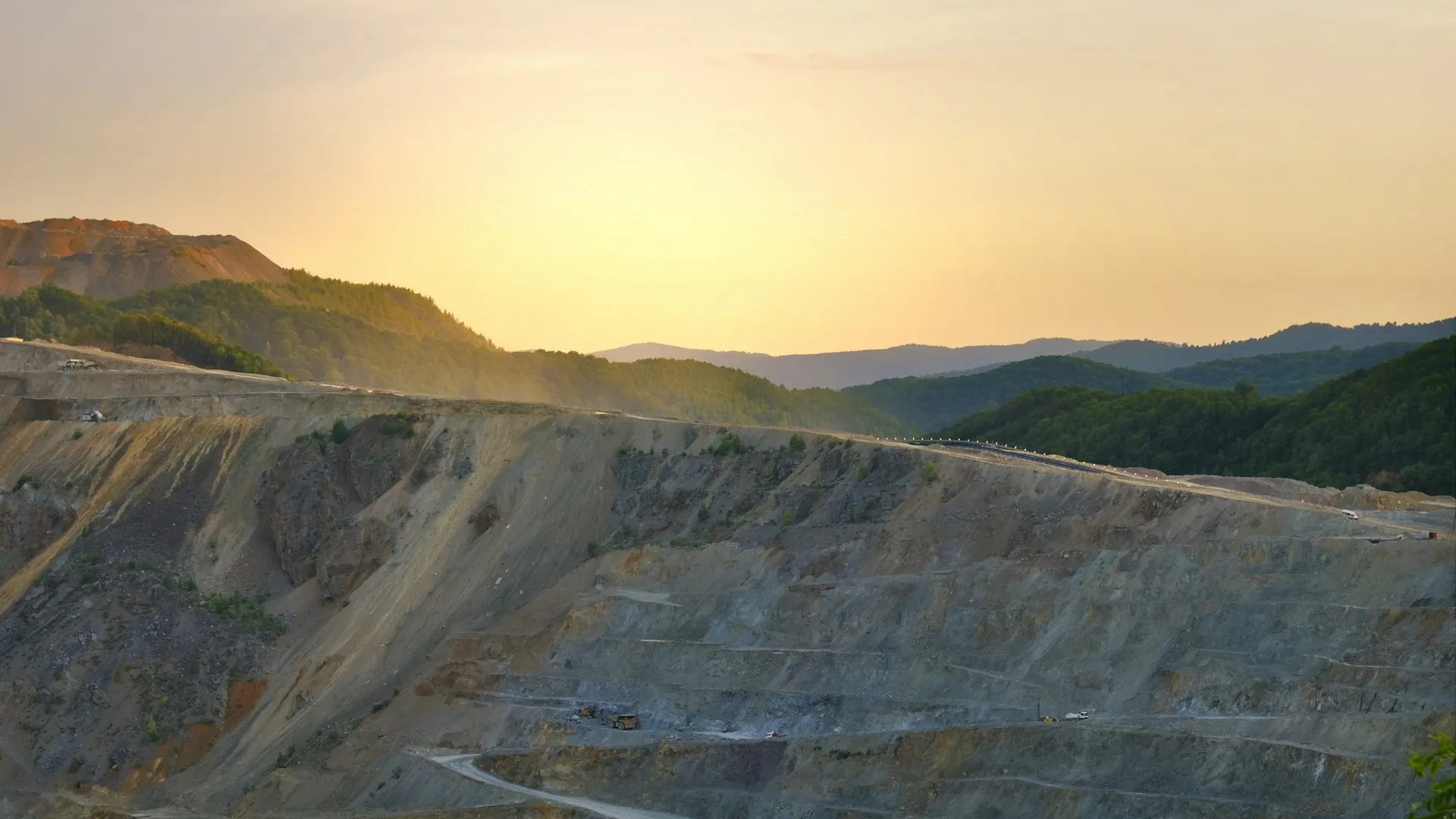
Dust, altitude and long duty cycles decide what mining equipment can run on. Here is how to size an air system — and the mobile power that keeps it running — for drill, ventilation and workshop duty.
One supply decision. Two duty points to satisfy.
The four constraints that shape every mine-site selection.
Two very different duty points, one supply decision.
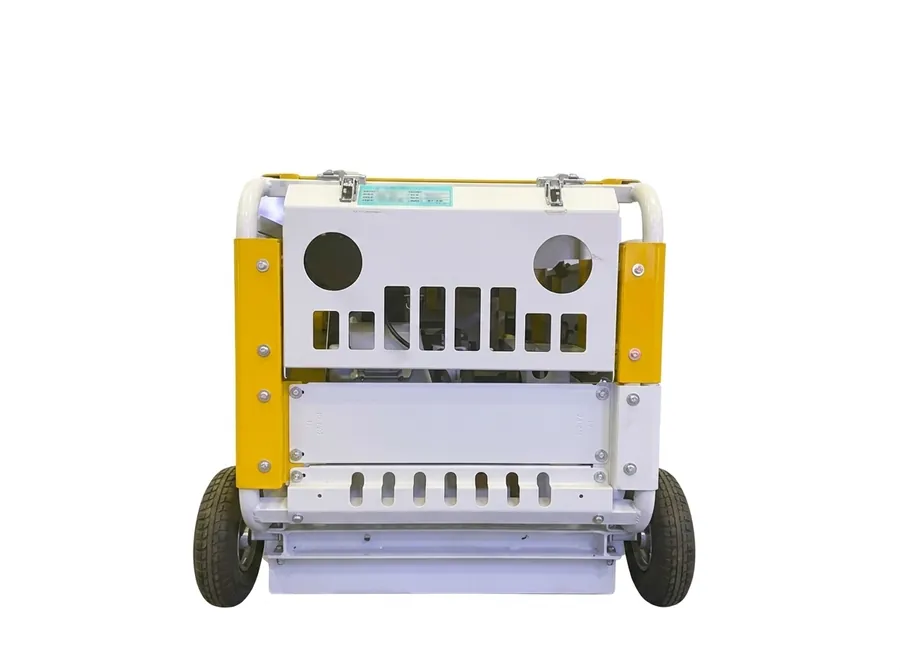
Drilling and bolting rigs follow the face. Air arrives by towable diesel compressors that must deliver rated flow at altitude, run long shifts unattended, and tolerate dust loading that would choke a stationary intake.
Workshops, blasting preparation and ventilation stations draw from a central plant. Here the choice is an energy-efficient stationary room — piped out to the yard — sized for the mine’s full shift profile rather than a single tool.
The two product families mine operators pull from most.
Thin air cuts delivered output. Estimate the sea‑level rating behind your site demand.
It depends on the rig’s required pressure and total simultaneous air demand — confirm both against the rig datasheet before selecting a portable unit, then correct for site altitude.
Thin air reduces intake mass, so a compressor delivers less usable flow at elevation. Duty tables should always be corrected to the real site altitude, not sea-level ratings.
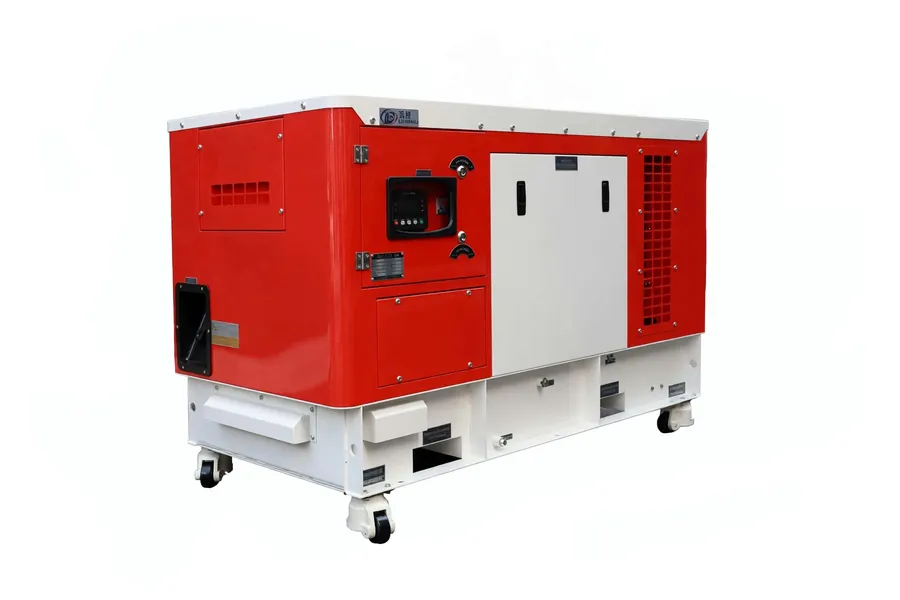
Only if its kVA rating covers the combined starting and running load with headroom. Size the genset from the full simultaneous demand, not from nameplate compressor power alone.