
Compressors & stations
SIND supplies industrial air compressors, air treatment and integrated stations for continuous plant air demand.
Planning, maintenance, warranty, parts and field service for SIND compressed air equipment.
Discuss demand, pressure, air treatment and installation conditions before selecting equipment. Final engineering scope is confirmed for each project.
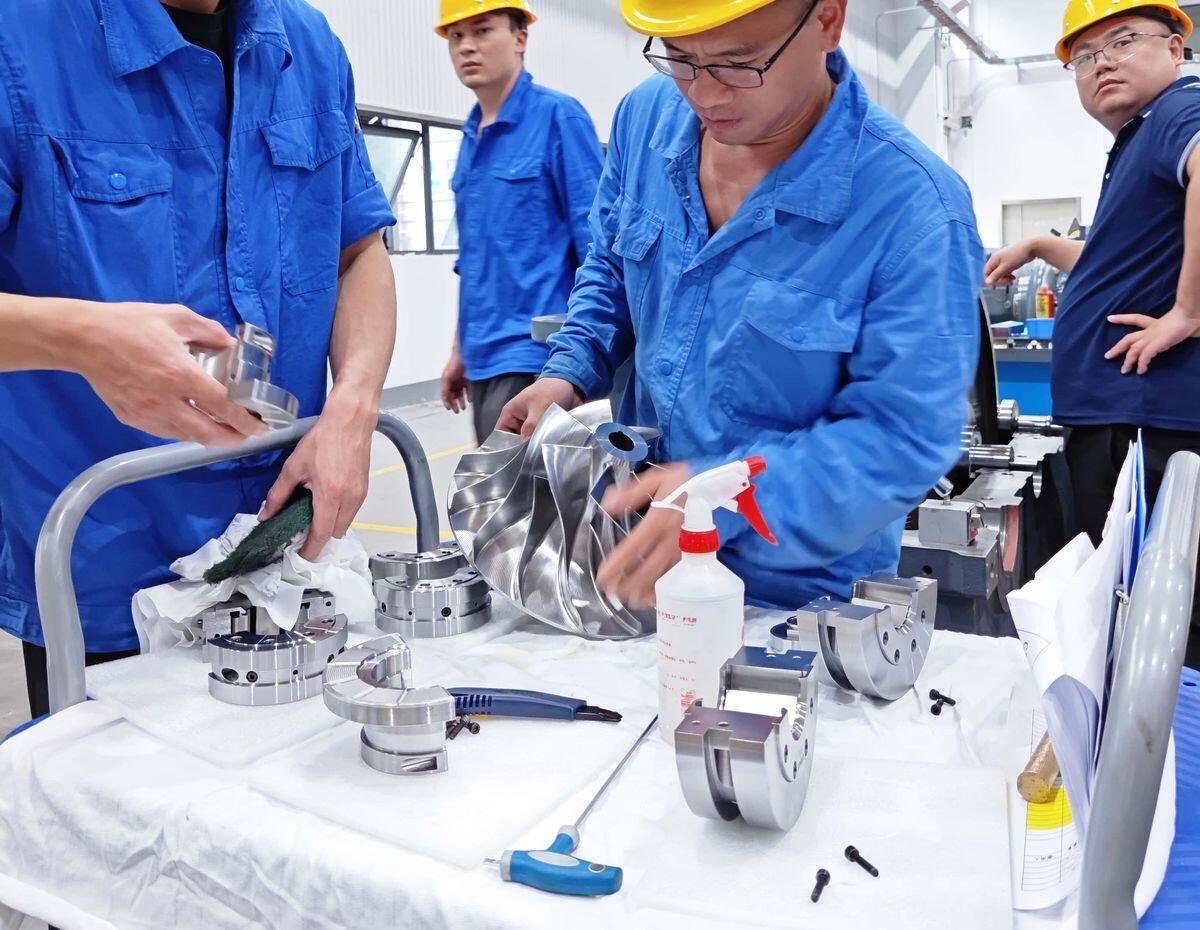
Choose the service conversation that matches your equipment, operating conditions and project stage.
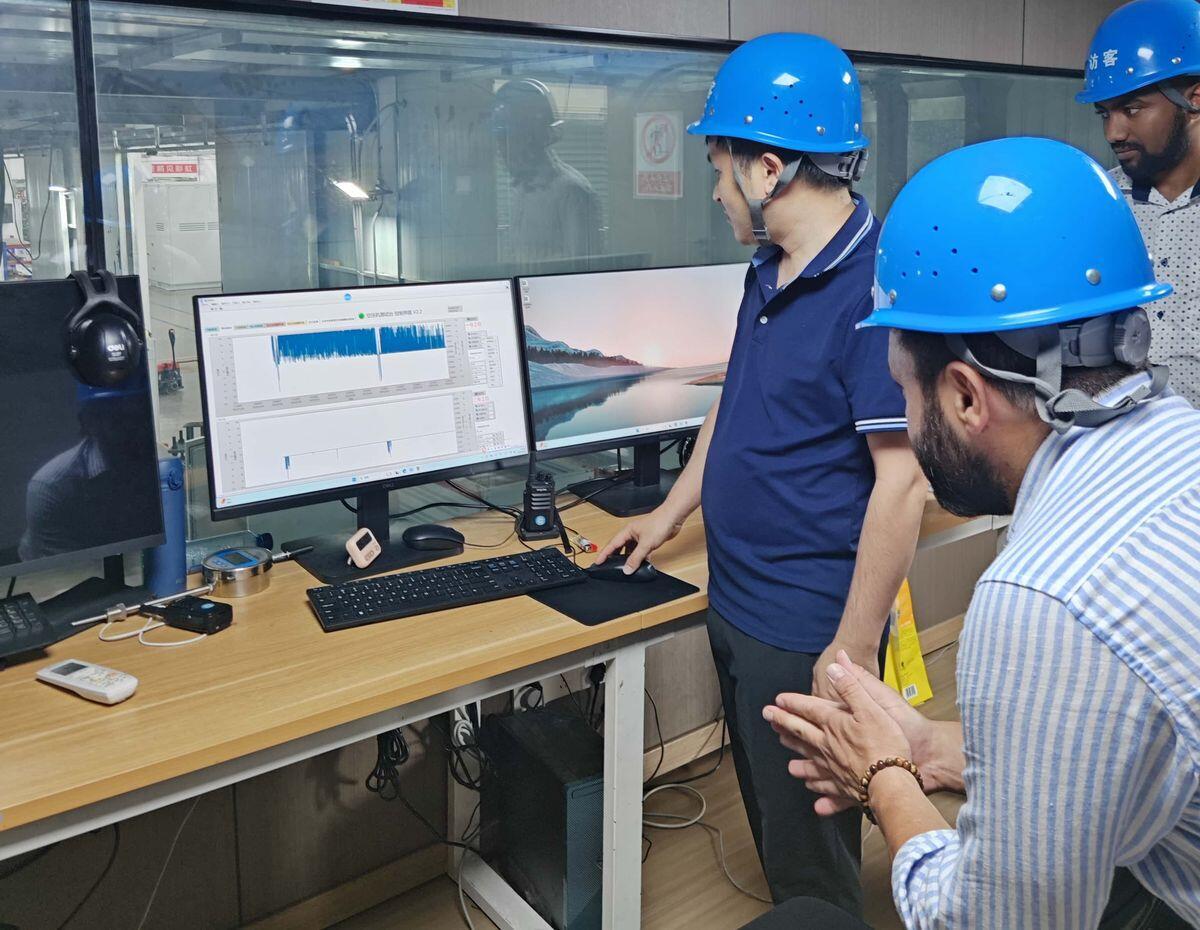
Size compression, treatment and storage around your demand, pressure and air quality class.
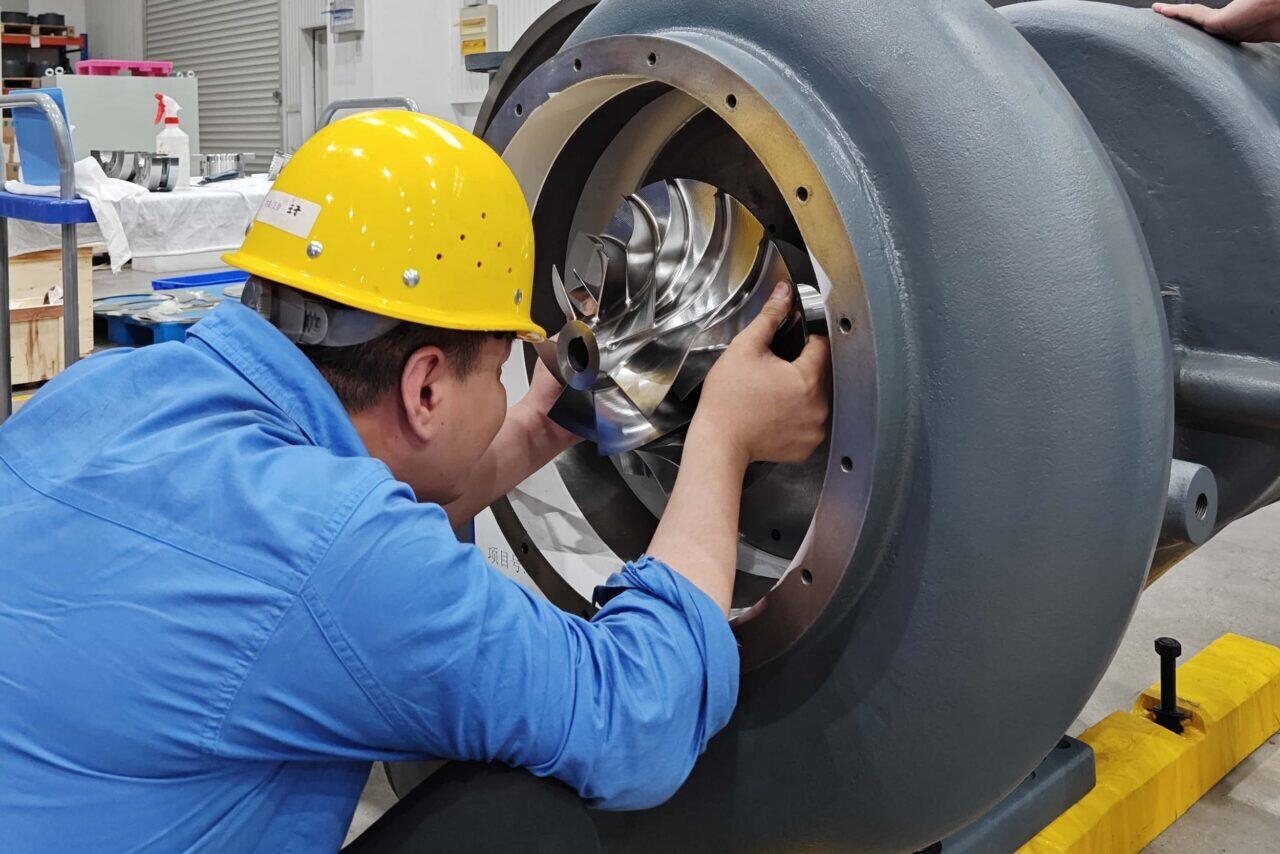
Measure baseline specific power and identify practical improvement opportunities.
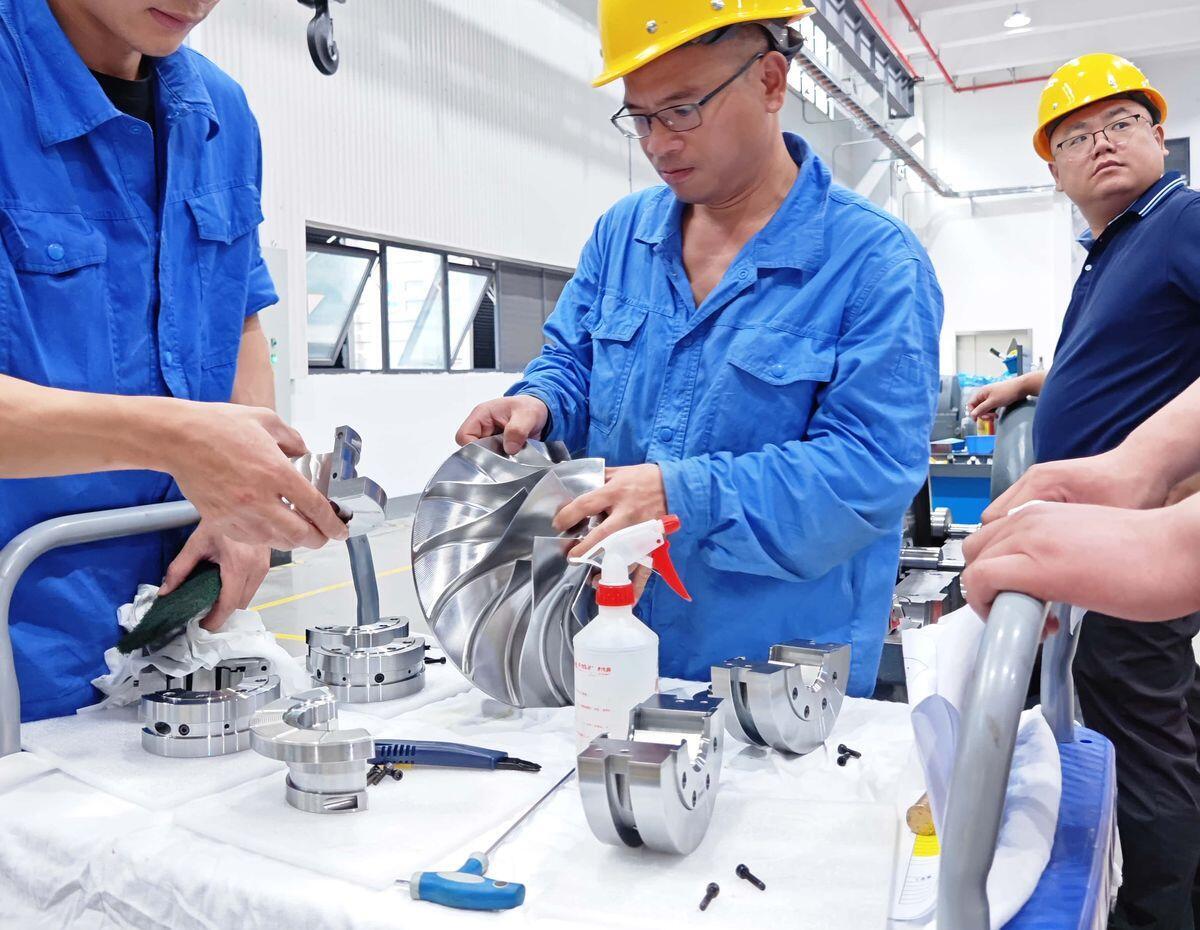
Plan routine service around operating hours and the installed configuration.
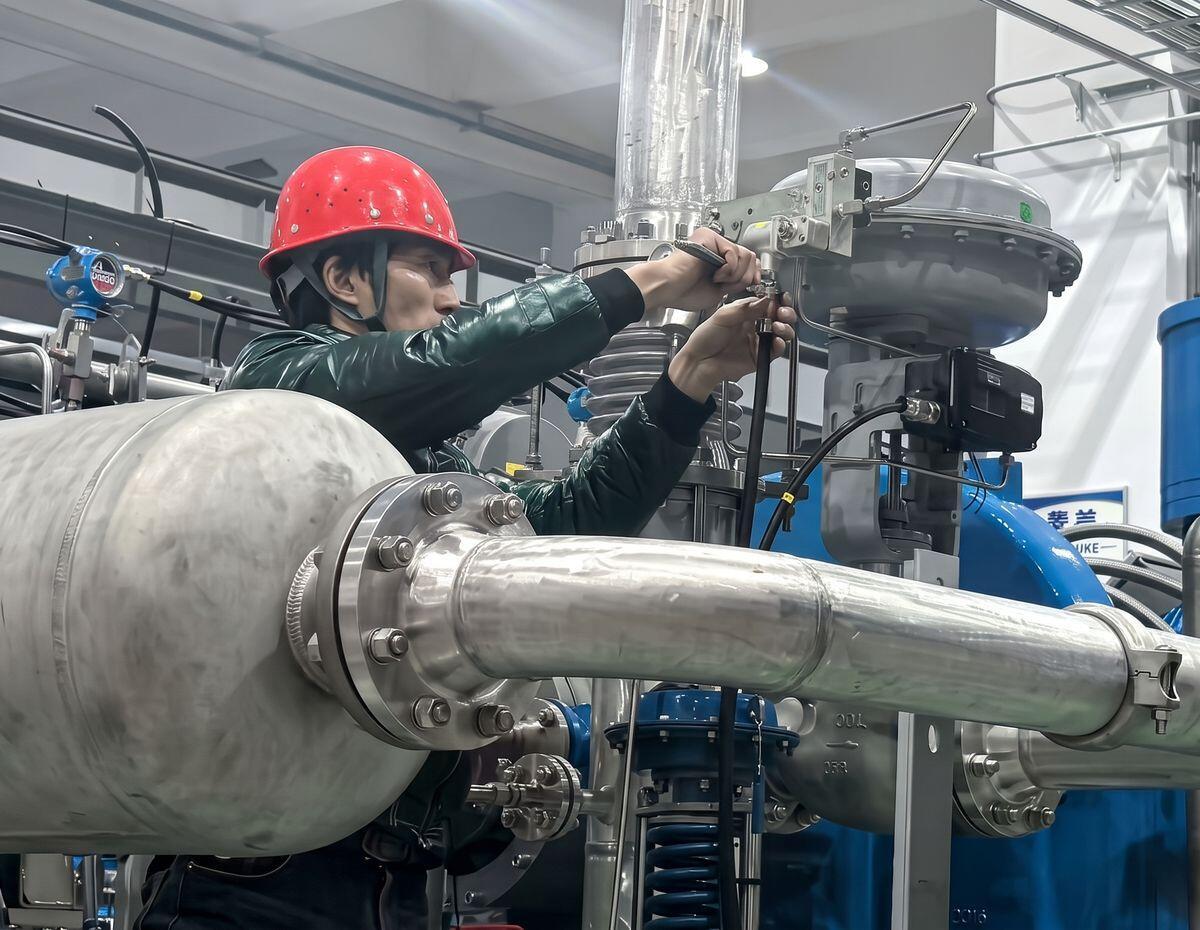
Review warranty terms, service records and maintenance conditions for your equipment.
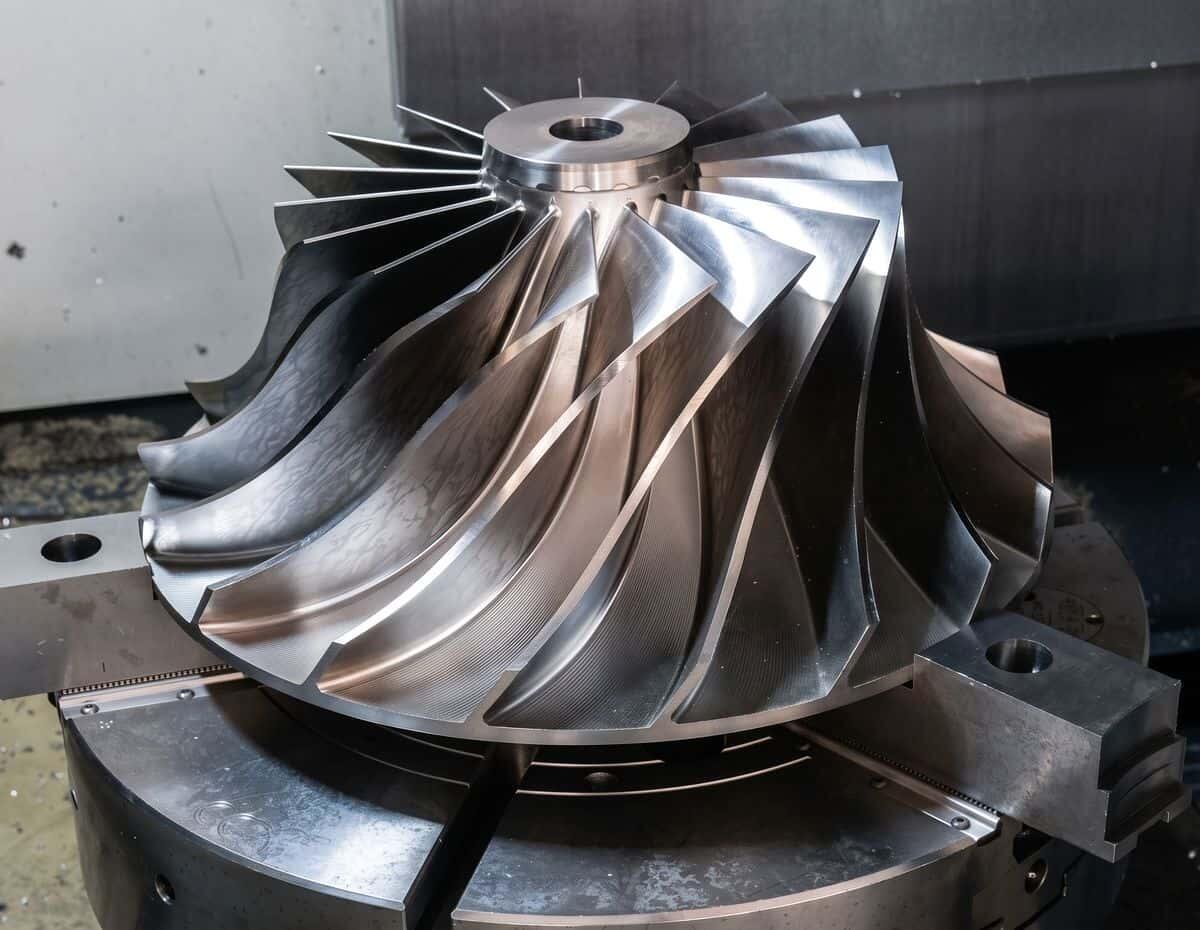
Request parts and service items using your equipment identification.
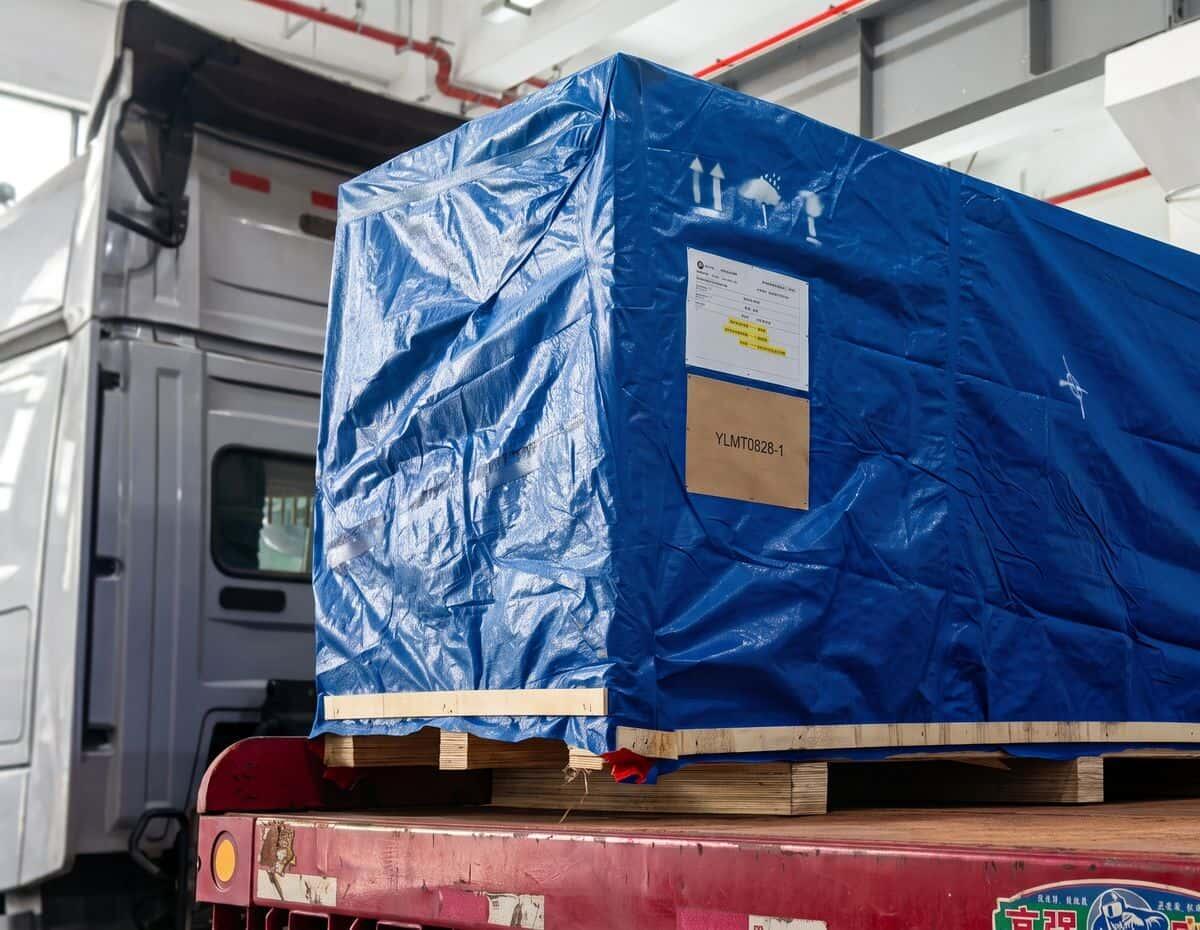
Agree diagnostic scope, repair work and technical resources for your equipment.
Product families
Air compressors, stations, air treatment, generators and vacuum pumps under one brand.
Hz configurations
Both grid standards covered; confirm the exact configuration per model.
Countries served
Business across Southeast Asia, South Asia, the Balkans and Russia.
Typical lead time
Around 35 days for standard configurations.
Combine compression, treatment, storage and controls to match the required air supply and quality class.
Compare configuration options before finalizing system scope, equipment selection and installation requirements.
Review baseline operating data and site conditions before estimating potential improvement results.
Define the required air demand, pressure and the system details that need technical confirmation.
Review the process, current equipment and operating pattern before selecting a configuration.
Match air treatment and storage choices to the intended use and downstream requirements.
Consider layout, access and installation constraints alongside the equipment selection.
Measure baseline kW per m³/min and operating hours to identify practical improvement potential.
Include maintenance access, service needs and the equipment information available for the project.
Confirm scope, responsibilities and handover requirements before implementation begins.
Share your process demand, pressure, air treatment requirements and current equipment information to begin a project review.
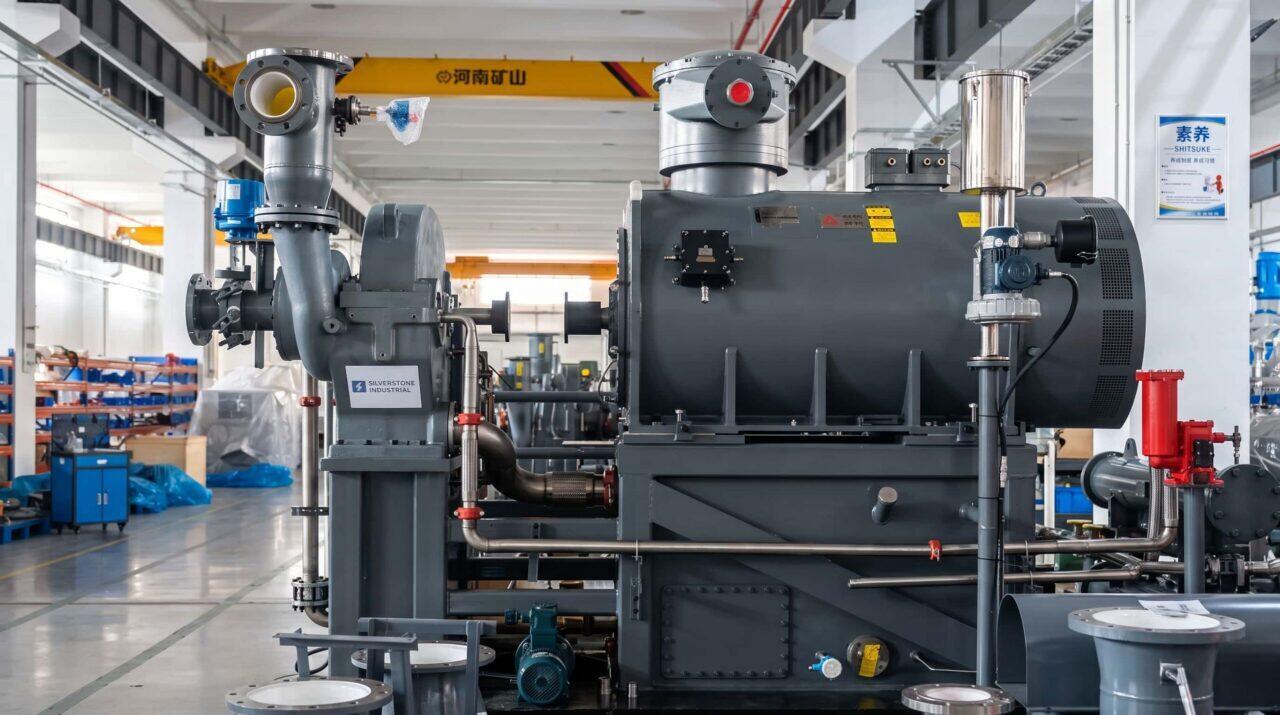
Start with the operating requirement. Review demand, pressure, air quality needs, load profile and installation constraints before selecting a configuration.
Use the available technical information to define the questions that need confirmation and compare feasible system approaches.
Confirm the selected equipment, commercial scope and implementation responsibilities for the specific project before delivery work begins.
Coordinate delivery, installation and testing around the agreed responsibilities, site conditions and acceptance requirements.
After installation and testing, review the operating condition and agree any maintenance, warranty or follow-up support requirements.
Engineering decisions are documented around the project requirement, selected configuration and the information available for the specific installation. Review product documentation and applicable terms before final approval.
Use a clear project brief to focus the discussion: process demand, pressure, air treatment requirements, current equipment and site constraints.
The delivery plan is shaped by the selected equipment, site conditions and agreed responsibilities. Timing, installation work and acceptance criteria are confirmed for the project rather than assumed from a generic process. Before commissioning, confirm the installation responsibilities, testing approach and operating information needed for the handover.
Practical answers on compressor selection, sizing, air treatment, maintenance and system design.
A rotary screw air compressor uses two meshing helical rotors to trap and compress air continuously, giving a steadier flow than a piston type. It suits continuous industrial demand from small workshops to large plants. SIND offers oil-lubricated and oil-free screw ranges for different air-quality needs.
Oil-lubricated compressors use oil for sealing and cooling and suit general plant air at lower upfront cost. Oil-free units avoid oil contact with the air stream where air purity matters. The air-quality result depends on the full system—treatment and filtration decide the class, not the compressor alone.
Start from total air demand (free air delivery) at the required pressure, then add duty-cycle and future-growth margin. Undersizing causes pressure drop; oversizing wastes energy. A site survey gives the reliable baseline for your case.
See the air compressor overview · Get a sizing recommendation
A complete station typically bundles the compressor, air receiver, dryer, filtration and control into one package for faster install and simpler commissioning. Exact configuration depends on your flow, pressure and air-quality needs.
See integrated compressor stations · Request a system proposal
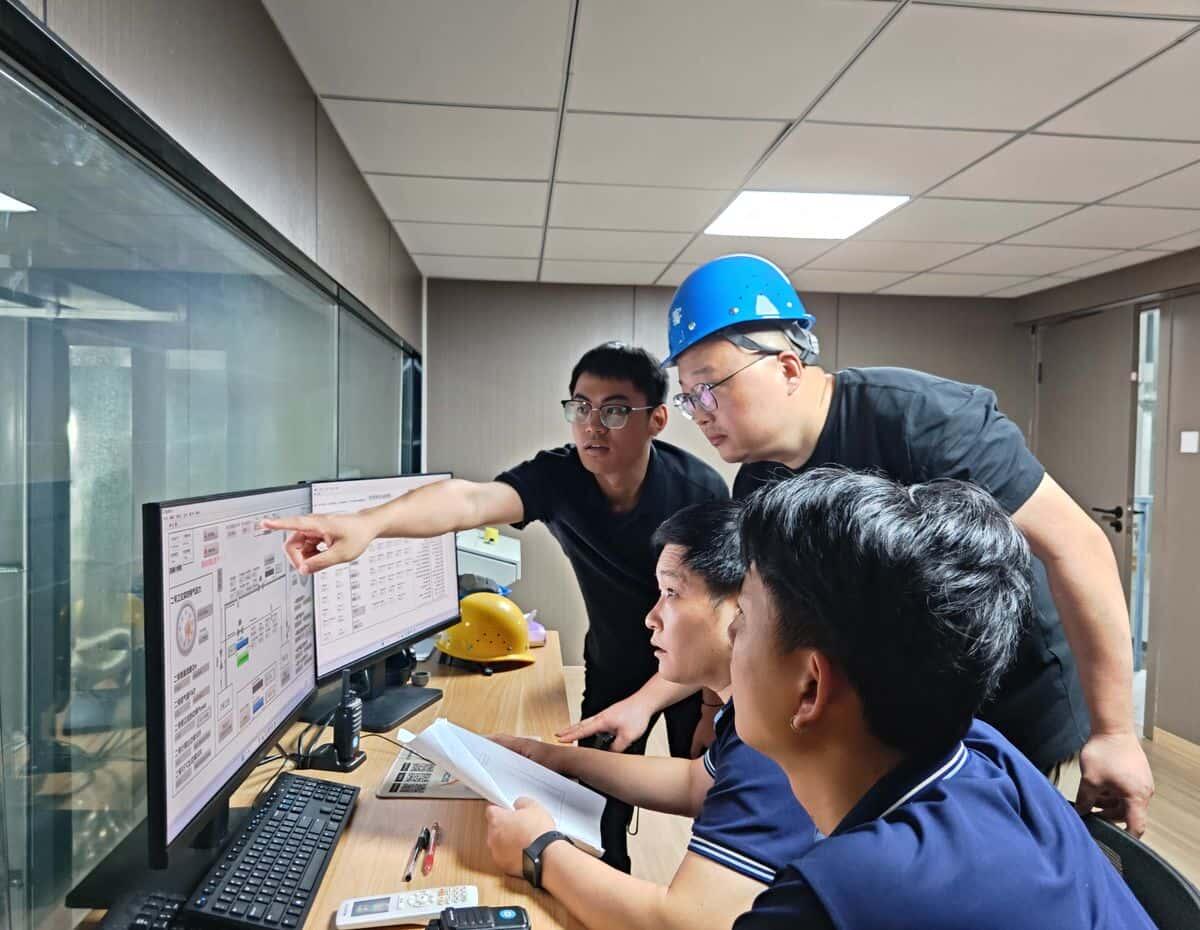
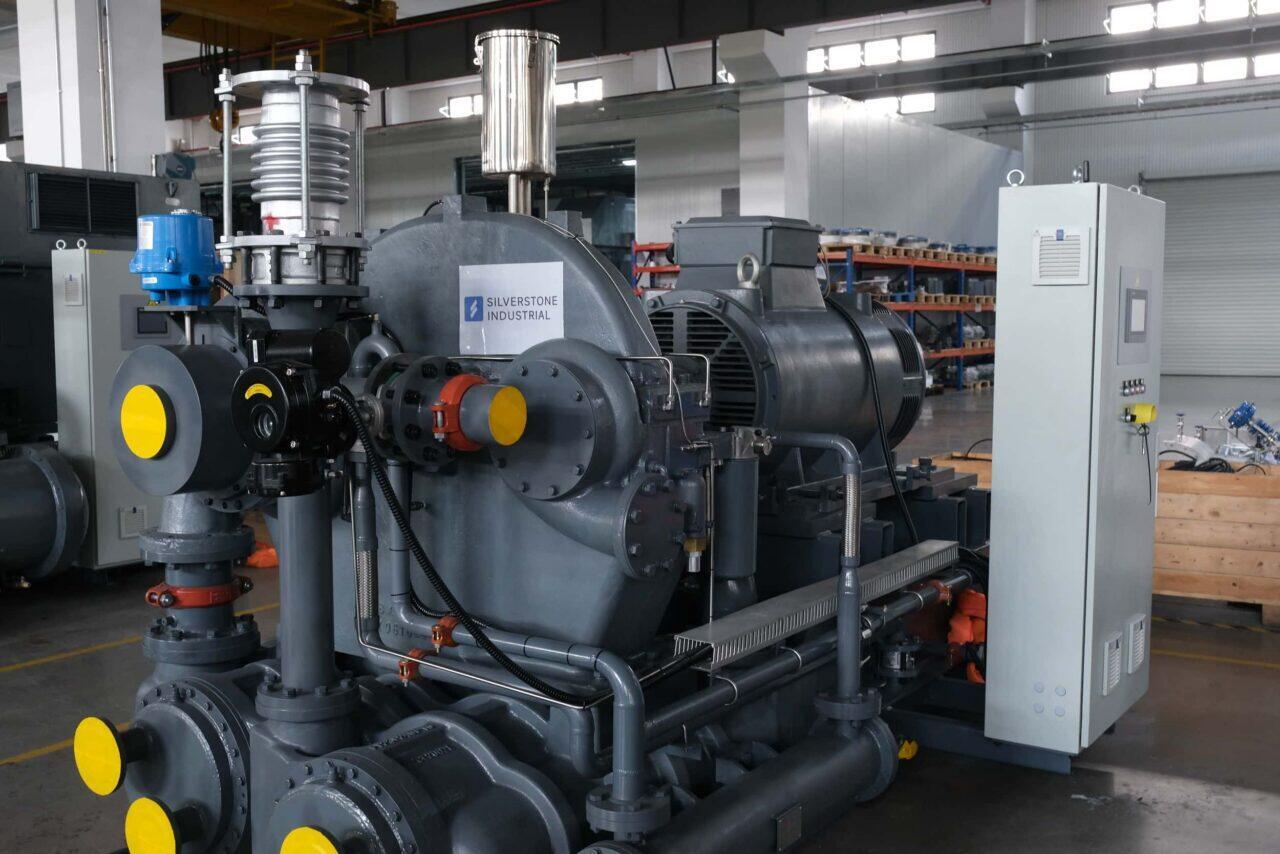
Answers come from SIND application engineers working with screw, oil-free, centrifugal and station equipment every day.
Refrigerated dryers cool air to remove bulk moisture and suit most plant air. Desiccant dryers adsorb moisture to reach much lower dew points for sensitive processes. The right choice depends on your required pressure dew point and process.
Service interval depends on the model, operating hours and environment such as dust, heat and humidity. Most plans combine daily checks with scheduled filter, separator and lubricant changes. Follow the model’s maintenance schedule and site conditions rather than a fixed calendar date.
Yes—SIND provides filter elements, service kits and replacement parts for its compressor ranges. Use your model tag to order the correct kit; we can confirm fitment before shipment.
SIND designs systems around your flow, pressure, air-quality and site constraints, from single compressors to integrated stations. Share your process and duty profile so we can scope equipment, treatment and controls.
Find answers on system design, energy audits, filters and troubleshooting in our resources and solution pages.
SIND supplies industrial air compressors, air treatment and integrated stations for continuous plant air demand.
Compressed air quality, pressure dew point and filtration are matched to your process and application.
Systems are scoped around your flow, pressure, air-quality and site constraints.
Spare parts, service kits and technical support help keep your equipment running.