
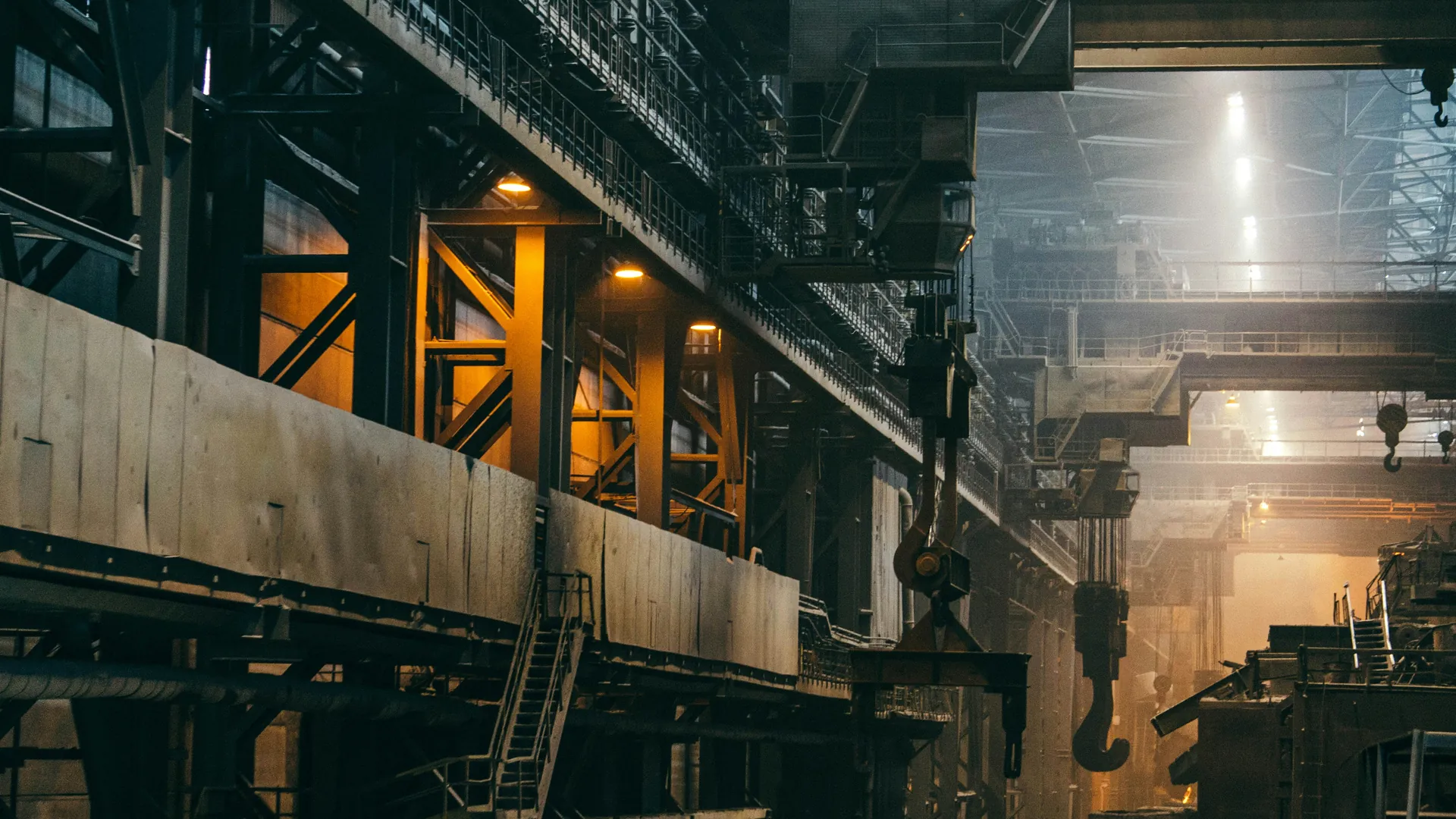
Interior of a heavy industrial plant with machinery under structured light

Plant air that never
stops the line

Actuation, conveying, cleaning, air boost — production machinery assumes compressed air is simply there. The plant behind it decides whether it is efficient or expensive.

Quick answer: Most plants run a stationary screw compressor room sized on specific power and uptime — with dryer and filtration matched to the air-quality class the process actually needs.
Photo: Ant Rozetsky / Unsplash Scroll

Air is a utility here. Downtime is not.

[ 01 · At a glance ]

Factory air at a glance

The four constraints that shape every plant room.

EnvironmentIndoor plant room, continuous duty
Air demandMachinery, actuation, conveying, cleaning
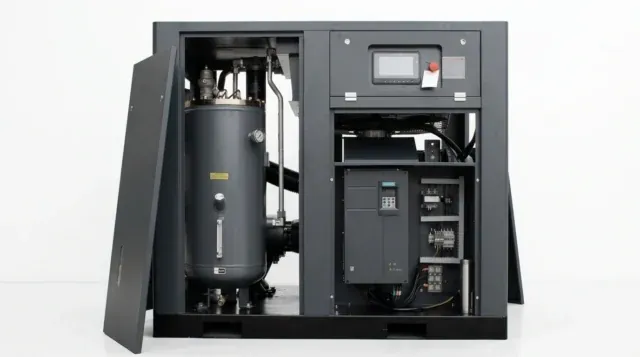
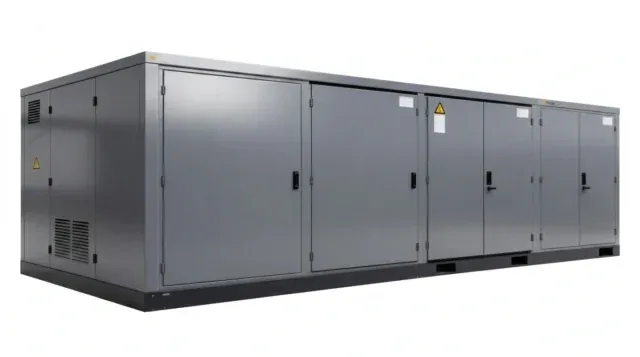
Typical setupStationary screw plant + integrated station
Decide bySpecific power and uptime, not price
[ 02 · Plant demands ]

What a production hall asks of an air system

Stability first, then the cost of every cubic metre.

A.The line

Cylinders, valves and conveying systems need pressure that holds while demand swings across shifts. Dryer and filtration are matched to the air-quality class the process requires — moisture or oil carryover shows up downstream as rejects.

B.The economics

Electricity is most of an air system’s lifetime cost. Specific power (kW per m³/min), part-load control and heat recovery decide the running bill — which is why machine-hall projects start from consumption data, not nameplate.

[ 04 · Before you specify ]

Six checks that keep a plant quote accurate

  1. Shift demand profile — base load versus peaks
  2. Pressure each machine actually needs, per branch
  3. Air-quality class: dew point and oil content
  4. Specific power target and part-load control
  5. Compressor room ventilation and floor plan
  6. Redundancy for lines that cannot stop
[ 05 · Quick estimator ]

What does plant air cost per year?

Electricity is the largest line item — estimate it before you compare machines.

Indicative energy arithmetic, not a performance promise. Your real figure depends on load profile, pressure band and site power quality — send consumption data and we will model the upgrade path.

Request an energy review
Estimated electricity per year $83,520 for 20 m³/min at 5.8 kW per m³/min, 6,000 h Each 1.0 kW/m³/min of specific power saved is worth about $14,400/yr at these settings — that is the case for the VPM screw range.
[ 06 · FAQ ]

FAQ

What pressure does a factory air system need?

Most general plant air sits at 7–8 bar at the point of use, but individual machines can demand more. Start from the machine list, add distribution losses, and let the plant room run at the lowest band that satisfies the highest real consumer.

Oil-lubricated or oil-free — which does a plant need?

It follows the air-quality class the process requires. Where air touches product or sensitive instrumentation, oil-free is specified; general machinery air runs efficiently on modern oil-lubricated screw systems with the right filtration.

Why does specific power matter more than machine price?

Because electricity dominates lifetime cost, a machine that delivers each m³/min with less kW pays the difference back every running hour. Variable-output control keeps that efficiency through real shift profiles, not just at full load.