


Project brief
Project Overview
A leading global electronics manufacturer needed a more efficient compressed air system that could protect production continuity, reduce electricity use and support lower-carbon manufacturing without compromising product quality.
Production continuity
Reduce equipment downtime and maintain stable conditions for precision manufacturing.
Lower energy demand
Reduce electricity consumption through a better-matched air compression system.
Green production
Lower carbon emissions in line with global sustainable-development priorities.
Customer confidence
Support high-quality production while meeting demand for efficient, environmentally responsible manufacturing.
Technical Solution
SIND combined three coordinated technology layers so the station can cover large base-load demand, workshop duty and real-time operating control.
Multi-stage centrifugal compressors
- Tiered configuration to improve energy utilization.
- Advanced filtration and cooling for precision-production environments.
- Modular capacity that can adjust with production demand.
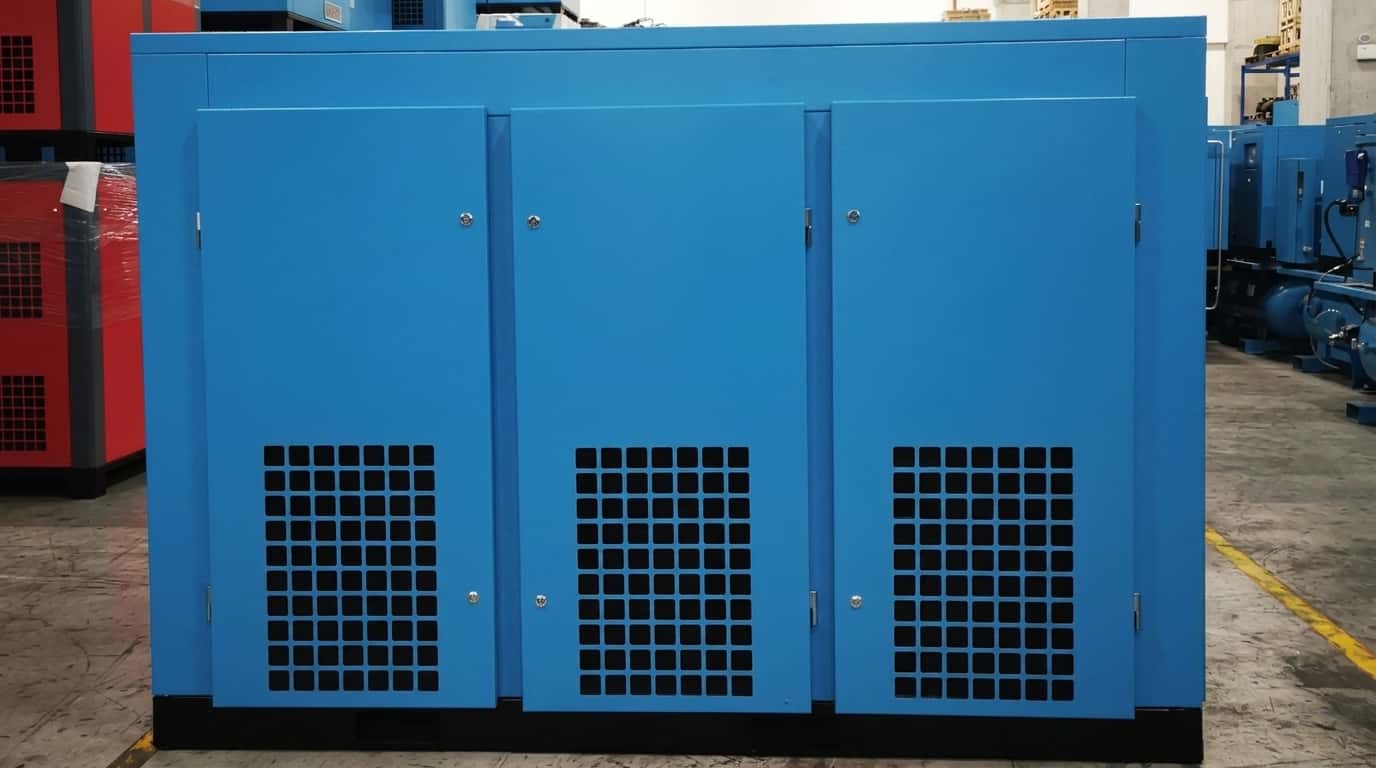
Two-stage screw compressors
- High-performance, low-noise supply for medium and smaller workshops.
- Compact installation for constrained factory layouts.
Smart control system
- Real-time condition monitoring and predictive-maintenance support.
- Data-driven adjustment of operating parameters and energy management.

Energy, reliability and operating visibility
Operational reliability
- Optimized system design extends equipment life and reduces downtime.
- High-precision compressed air supports stable electronics manufacturing.
Intelligent management
- Controls adjust compressor performance using actual operating data.
- Operating reports and analysis support maintenance and management decisions.
Customized Delivery & Client Feedback
Flexible configuration
Configuration options can reflect production processes and workshop layouts.
System integration
Management tools can connect with internal systems for data interoperability and information sharing.
Service and support
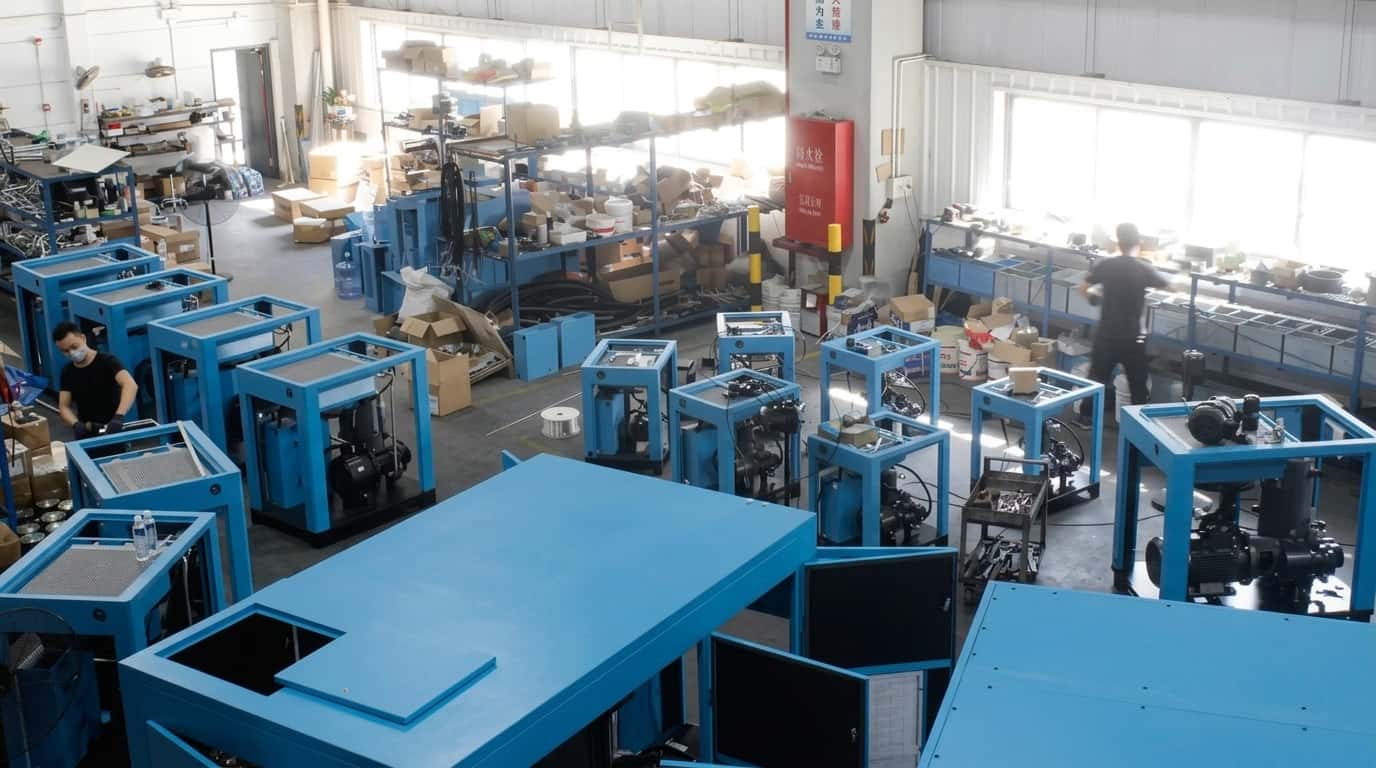
The source includes installation, commissioning, technical support and ongoing optimization.
“SIND’s air compression system has significantly reduced our energy consumption without compromising production quality. The intelligent equipment management functions have made our maintenance work more efficient and precise. Through data analysis, we can better understand the status of our equipment and optimize our operating strategies.”
Future outlook
SIND plans to continue developing solutions that help electronics manufacturers improve efficiency, reduce energy use and support sustainable development.
Conclusion
The project combines production-efficiency improvements, intelligent operating control and lower-impact manufacturing in one compressed air strategy.

FAQ
What was the main objective of the compressor station project?
The primary objective of the project was to enhance production continuity and improve operational stability in precision manufacturing. At the same time, the solution was designed to reduce overall electricity consumption and support the company’s carbon-emission reduction goals.
Which compressor technologies are included in the solution?
The integrated solution combines multi-stage centrifugal compressors, two-stage screw compressors, and an intelligent compressed air control system. Together, these technologies provide a reliable and energy-efficient compressed air supply, supported by real-time monitoring and data-driven optimization.
What performance improvements does the source report?
According to the project results, the solution delivers approximately 30 million kWh in annual electricity savings, while reducing overall energy consumption by around 10%. In addition, maintenance costs were reduced by approximately 20%, and carbon emissions were lowered by around 20%.
How does the smart control system support operations?
The intelligent control system continuously monitors equipment performance and operating conditions in real time. It supports predictive maintenance by identifying potential issues at an early stage and uses operational data to optimize compressor performance, improve energy management, and maintain a stable and efficient compressed air supply.
